
Hormones in Meat — What Australian Consumers Should Know
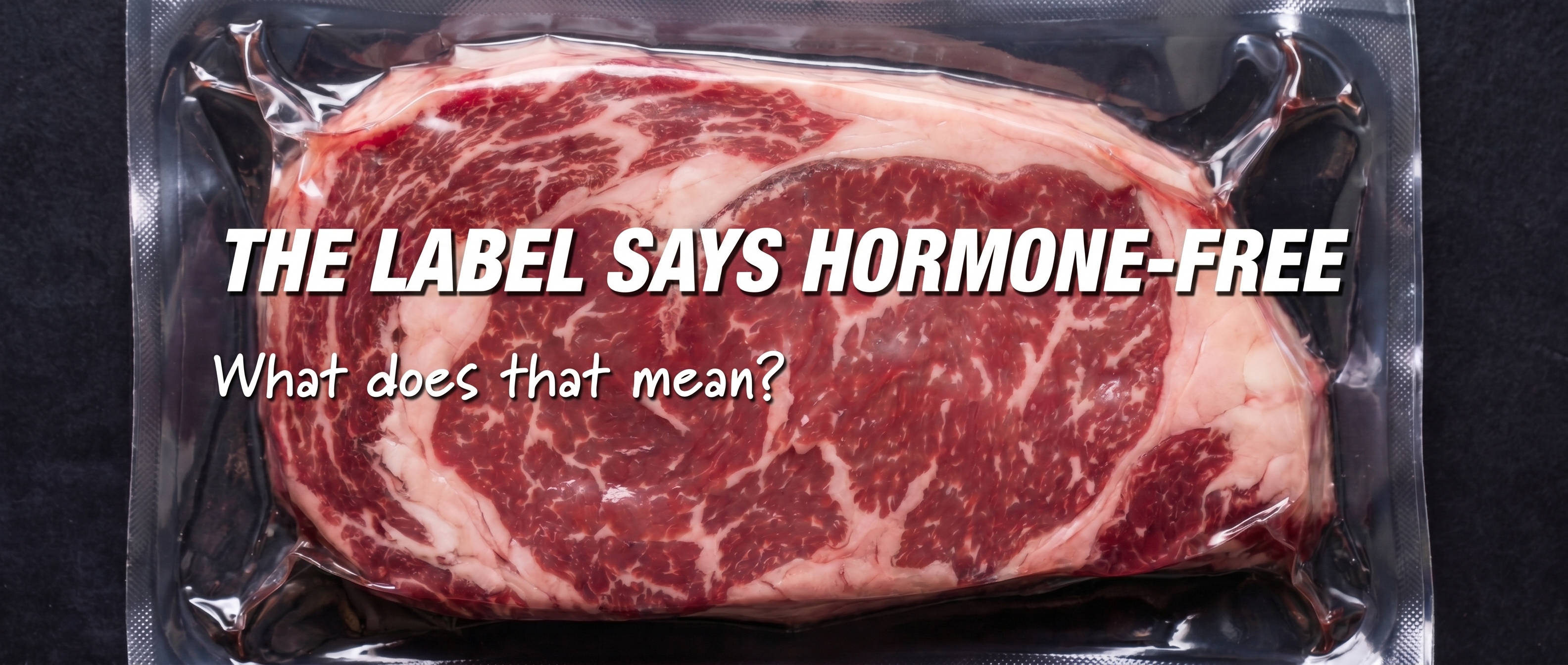
The term "free from added hormones" appears on more Australian meat labels every year. What it means, and whether it's verifiable, is less clear than the packaging suggests. The use of Hormone Growth Promotants (HGPs) in Australian beef is legal, common in certain sectors, and regulated by federal authorities. Here's what the evidence actually says.
What Are Hormones in Meat?
The hormones in question are called Hormone Growth Promotants (HGPs) — slow-release implants placed under the skin of the ear in cattle. They're designed to accelerate growth and improve feed conversion efficiency.
HGPs fall into two categories:
- Natural hormones: Oestradiol, testosterone, and progesterone — compounds that occur naturally in all animals, including humans
- Synthetic hormones: Zeranol, trenbolone acetate, and melengestrol acetate — manufactured compounds that mimic natural hormone activity
HGPs have been registered and used in Australian beef production since 1979. They are regulated by the Australian Pesticides and Veterinary Medicines Authority (APVMA) and subject to Maximum Residue Limits (MRLs) set under the Australia New Zealand Food Standards Code (Schedule 20), administered by FSANZ.
How Common Is HGP Use in Australia?
Usage is significant but not universal.
According to a Meat & Livestock Australia (MLA) report, approximately 6.5 million HGP implants were administered to Australian cattle in 2006/07 — a figure that reflects the scale of use at the time and remains the most comprehensive national estimate available. More recent MLA data shows 1.4 million implants were sold to the grass-fed sector alone in 2022, up 16% on the previous year, with feedlot usage tracked separately.
That said, a meaningful share of Australian beef is produced without HGPs:
- 61% of Meat Standards Australia (MSA)-graded cattle are raised without HGPs
- Tasmania bans HGP use entirely under state legislation
- Usage is concentrated in northern Australia and feedlot operations; southern and premium grassfed producers use them far less
Are HGP Residues Safe?
Australia's food safety regulators, APVMA and FSANZ, consider HGP residues safe for human consumption when the products are used according to registered label directions. Maximum Residue Limits in meat are set at levels well below any threshold associated with harm, based on toxicological assessments and dietary exposure modelling.
What About Meat Quality?
Beyond health, some research suggests HGP use can influence meat eating quality. The MLA and independent studies have noted that certain HGP compounds may affect muscle development in ways that influence tenderness. This is one reason premium beef programs — including those targeting restaurant and export markets — often specify HGP-free production as a quality benchmark, not just a welfare or health one.
What Does "Free from Added Hormones" Actually Mean on a Label?
Here's where Australian consumers need to be cautious.
"Free from added hormones" is a voluntary claim — there is no mandatory government-regulated certification attached to it. You can read about what verified sourcing actually looks like at ButcherCrowd's sourcing page.
What to look for instead:
- Certified Organic (ACO / NASAA): Independently audited; synthetic hormones and antibiotics are prohibited
- Greenham NEVER EVER Program: On-farm audited assurance of no added hormones, no antibiotics, 100% grass-fed & grass-finished — the same program ButcherCrowd's beef is sourced through
- Meat Standards Australia (MSA) grading without HGPs: Noted on compliant supply chains
If a product simply says "chemical-free" or "natural" with no certification behind it, that claim has no verifiable meaning under Australian food law.
How ButcherCrowd Sources Its Beef
All ButcherCrowd beef is sourced exclusively through Greenham Australia's NEVER EVER Program — a verified, on-farm audited supply chain designed to ensure no added hormones and no antibiotics are used at any point in the production process. Cattle are 100% grass-fed & grass-finished, pasture-raised across regions including Tasmania, Gippsland VIC, and the Limestone Coast SA.
This isn't a marketing label — it's a traceable supply chain with producer-level auditing. You can read more about why we source this way.
If knowing exactly how your beef is raised matters to you, explore how ButcherCrowd works or get started with a subscription.
The Bottom Line
HGPs are legal, regulated, and used across a significant portion of Australian beef production — particularly in feedlot operations. Australia's food safety regulators consider residues safe at established limits.
For consumers who prefer beef produced without any added hormones, the key is looking past voluntary label claims to verified certification — whether that's certified organic, the Greenham NEVER EVER standard, or other audited programs.
The information in this article is intended for general educational purposes only and does not constitute medical or nutritional advice. Individual dietary needs vary. Please consult a qualified health professional before making significant changes to your diet.
References
- Hormonal Growth Promotant (HGP) Use in the Australian Beef Industry. Meat & Livestock Australia. 2009. mla.com.au
- About Residues and Residue Testing. Australian Department of Agriculture, Fisheries and Forestry. 2024. agriculture.gov.au
- Australia New Zealand Food Standards Code — Schedule 20. Food Standards Australia New Zealand (FSANZ). 2024. foodstandards.gov.au
- HGP Review. Australian Pesticides and Veterinary Medicines Authority (APVMA). apvma.gov.au
- Hormone Use in Beef. goodmeat.com.au / Meat & Livestock Australia. 2023. goodmeat.com.au
- HGP Market Tipped to Rapidly Recover. Rural Business Magazine / MLA data. 2022. rbmagazine.com.au
- Greenham NEVER EVER Beef Program. Greenham Australia. 2024. greenham.com.au
ButcherCrowd is better
BETTER FOR THE FARMING & FISHING FAMILIES, THE ANIMALS, THE ENVIRONMENT AND BETTER FOR YOU. A BETTER WAY OF EATING MEAT.
SKIP, PAUSE OR CANCEL ANYTIME


